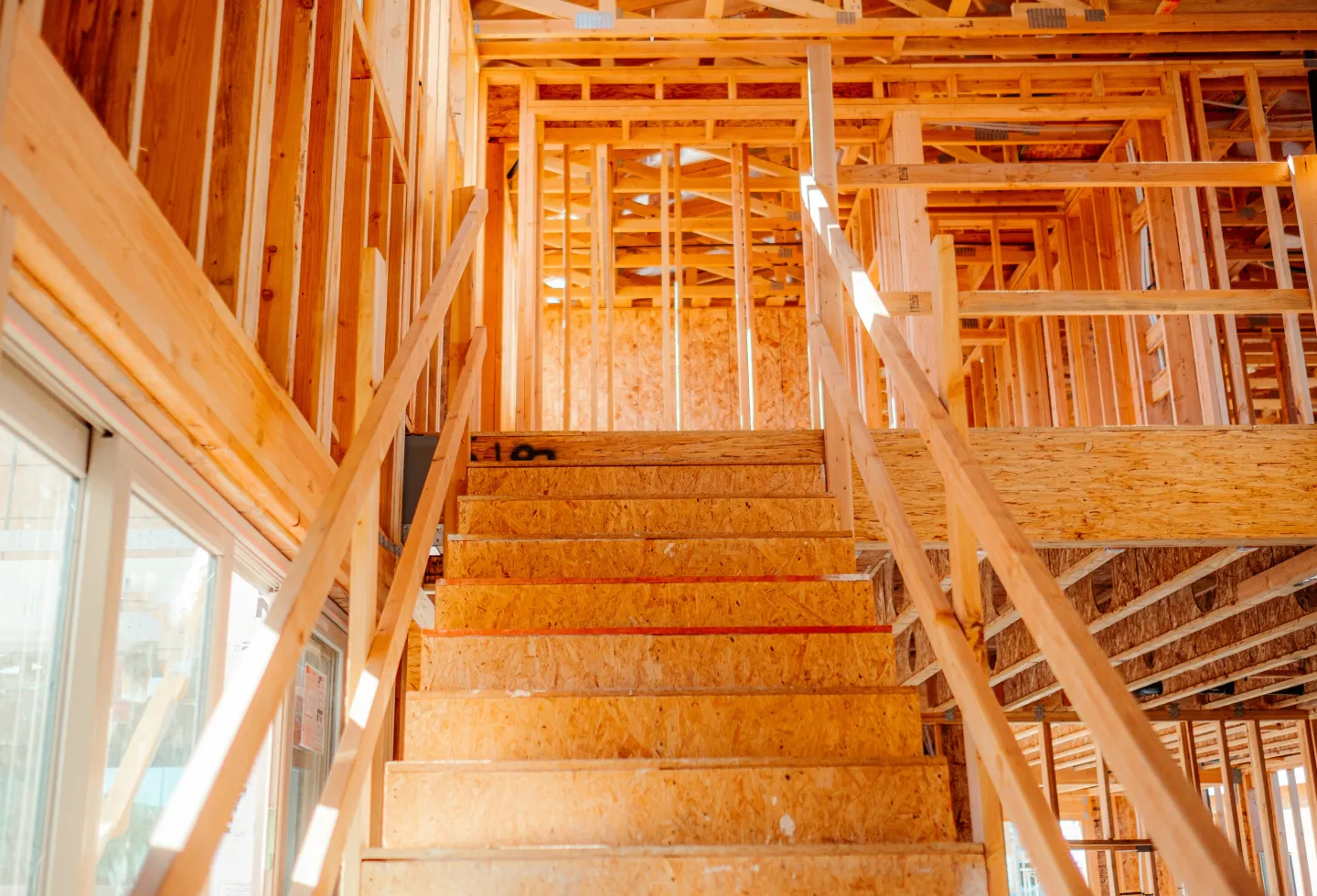

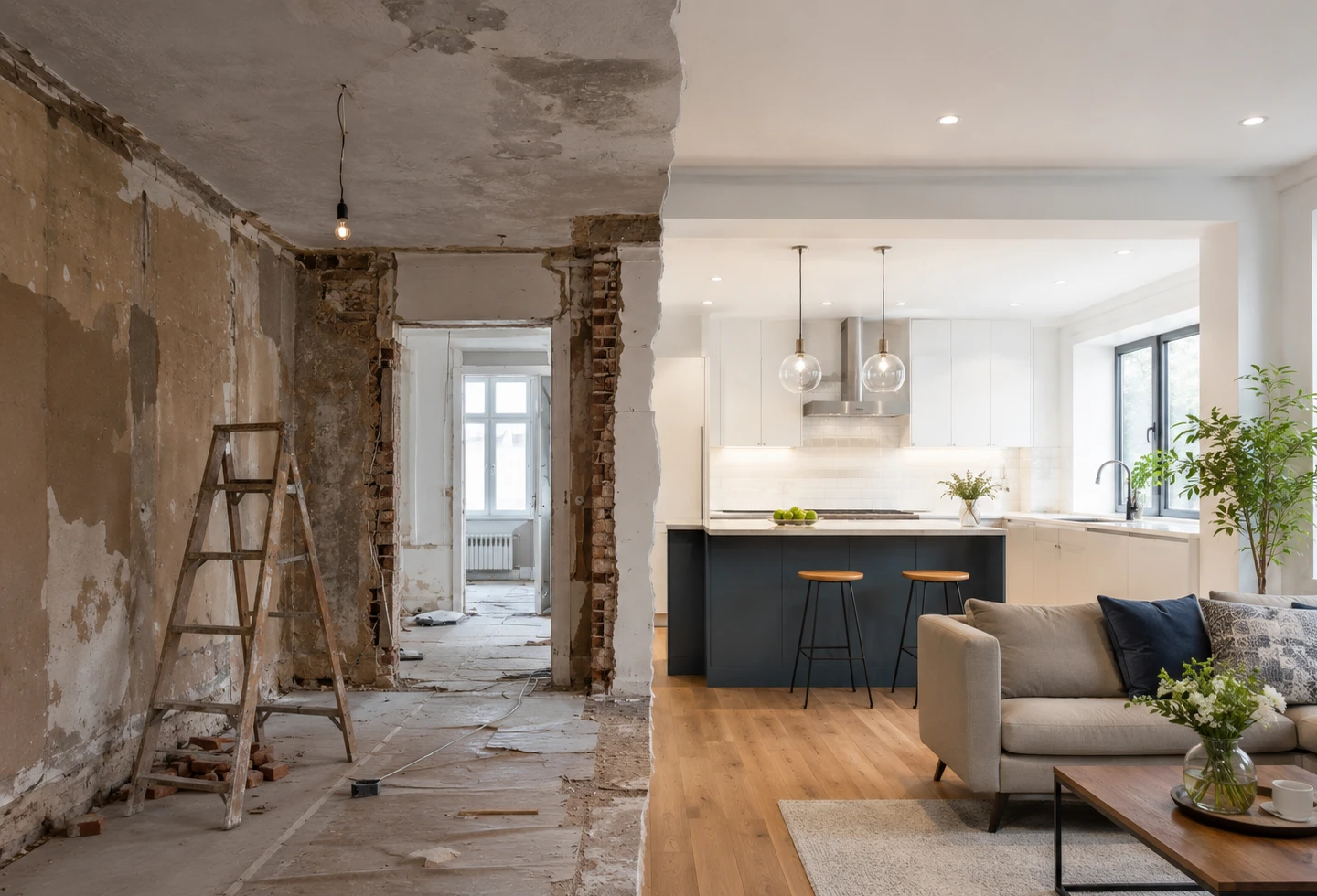

A home gives you the chance to design your own life from the ground up, and nowhere is that more true than in building your house. Whether you’re looking to build your dream home, save money, or both, building a custom home you can be proud of is often one of the most rewarding things you can do as a homeowner.
Purchasing land and building a home requires a lot more work than simply buying an existing home, however. Here, we’ll give a broad overview of how the process works so you can decide whether it’s worth looking into further.
Here's how to buy land and build a house:
Buying land for your home
Unless you already have somewhere to build a home, you’ll need to purchase a plot of land for your future house, too. In 2024, the cost to buy and prep land typically ate up about 14% of the final price of building a home, according to the National Association of Home Builders.
Decide what you want to build
Building a home starts with a crystal-clear picture of what you want in a house. If you know your ultimate goals, you can reverse-engineer your plans back from there, all the way to which specific piece of land you should buy.
Have you always dreamed of a two-story home, for example? If so, you’ll need to restrict your land search to areas with zoning regulations and HOAs that allow for two-story construction. Do you need easy access to job centers? A home in the sticks is nice, but not when you have a three-hour daily commute.
Here are some things to keep in mind as you design your home and search for the land it sits on:
- Local zoning laws and HOA restrictions
- Priority land uses, such as gardening, hobby farming, shooting sports, or boating
- Whether you’re building a primary residence, vacation home, or investment property
- Proximity to (and quality of) schools, jobs, healthcare, utilities, shopping, and transportation
Find the right land
Once you’ve got an idea of what you need, you can start figuring out what type of land you want to buy and how you’ll pay for it. We’ll cover financing options in more detail below, as there are many ways to pay for land and construction costs.
It’s a good idea to work with a local real estate agent who’s experienced in land purchases, especially if you haven’t done it before. Buying land to build a home comes with added complications compared to a run-of-the-mill home purchase, and a good agent can help you navigate issues like:
- Road access or easements
- Environmental threats such as landslide or flood risk
- Ensuring land surveys, title searches, or drinking water tests are properly completed
- Availability or difficulty of adding utilities, such as sewer hookups, septic systems, or electrical
A good real estate agent can also help connect you with a team that’ll help you turn the next stage of your home-building journey into a reality.
Building your home
The actual construction process can be chaotic. You’ll be juggling multiple balls in the air, many of which are time-dependent on steps that are often outside of your control, such as waiting for permits or subcontractors. That’s why it’s extra-important to put a good building team together from the start.
Hire a team and design your home
You’ll need to decide how involved you’ll be in the actual building process. People with prior experience (or a willingness and ability to learn) can sometimes save money by putting in sweat equity — i.e., helping out with some of the less technical, but more labor-intensive tasks like landscaping. No matter your experience level, you’ll need to hire subcontractors to build individual components like the home’s foundation or electrical system.
More commonly, homeowners hire a general contractor to manage the entire process for them. General contractors often work within existing homebuilding companies that either have ready-to-go home design plans or offer architects and structural engineers who can help you design your home from scratch. Otherwise, you’ll need to find these professionals on your own if you’re looking for a custom-built home.
It’s also a good idea to find a good real estate attorney, which your real estate agent can also help you with. An experienced attorney can review any contracts with your building team, provide legal guidance throughout the process, and help you navigate local constraints such as permitting and zoning regulations.
Working with professionals
It’s important to have open lines of communication with your team throughout the process. Delays are common and can lead to frustrated contractors, cost overruns, and even project failure. Many financing options rely on hitting key milestones within a certain time period, for example, before the lender will disburse funds to pay the contractor. Building permits also typically require frequent inspections and adherence to set schedules.
Part of maintaining good communication with your team is developing a defined budget and timeline, which your general contractor can help you determine. It’s customary to build in an extra 10-15% for contingencies, as well, for project delays or other unexpected costs.

How to finance buying land
Building a house from scratch requires a lot of creativity and flexibility, and there are financing options to match.
Land loans
It’s often possible to roll your land purchase in with your home construction loan, but some people prefer standalone land loans instead. If you’ve found your dream plot of land, for example, but you’re not quite ready to build yet, a land loan can help you plant your flag while it’s available.
Land loans — and construction loans, for that matter — aren’t as widespread among lenders as traditional mortgages. Both types of loans can vary a lot in terms of lender requirements and payment structures. Most lenders break land loans down into three main types:
- Raw land loans: Land with no amenities or improvements.
- Unimproved land loans: Land with some improvements, such as road access or a well.
- Improved land loans: Ready-to-build land, complete with all utilities and amenities hooked up, serviceable road access, and a cleared and leveled plot.
Lenders typically have stricter requirements and charge higher interest rates for raw land loans, and loosen restrictions and lower the rates as you move toward improved land loans. That’s because these loans are less risky for the lender, since ready-to-build plots are easier to sell if the project fails.
Construction loans
Construction loans, like land loans, are similarly variable and less abundant among lenders than traditional mortgages. Many lenders allow you to finance land costs along with your building expenses. Homebuilding loans generally fall into a few different categories:
- Construction-to-permanent loan: Make interest-only monthly payments during the construction period. When construction is complete, the loan automatically converts into a traditional mortgage.
- Construction-only loan: Similar to a construction-to-permanent loan, but the loan does not convert into a mortgage at the end. You’ll need to secure a mortgage on your own to pay off the construction loan.
- Owner-builder loan: A construction loan for homebuilders acting as their own general contractor. Lenders will evaluate your own qualifications and ability before approving the loan.
- Renovation loan: A loan for significant renovations on an already-existing home, or a mortgage used to finance a fixer-upper while rolling renovation expenses into the mortgage. The FHA 203(k) loan is a popular example.
Other financing options
It typically takes 7 to 14 months to build a typical home from scratch, and for these types of projects, a construction loan is typically recommended. Some people prefer to do the project in stages as they receive funds, though, or may not even be interested in building a home at all. In that case, there are other financing options available, depending on your resources:
- Personal loans: An unsecured loan that typically charges higher interest rates than a loan backed by collateral. It’s quicker and cheaper to obtain, but likely only suited to lower-cost land purchases because of its limited size.
- Home equity loans: Established homeowners can tap into home equity, and a home equity loan is a perfect tool for large upfront purchases, such as buying the neighboring plot of land.
- Home equity lines of credit: HELOCs offer flexibility in borrowing and repayment, but they’re more complicated to use and charge variable rates that can impact your monthly payment. They can be a great choice for DIY projects over time, however.
- Home equity investments: HEIs require no monthly payments, freeing up cash flow for homeowners. An HEI must be repaid when you sell your home or in a lump sum due in 30 years, along with a portion of your home’s future appreciation in lieu of interest.

Final thoughts
Buying land and building a home on it is one of the quintessential examples of the American Dream. It requires a lot of planning, networking, flexibility, and proper financing to accomplish. However, compared with standard cookie-cutter houses, the rewards at the end of the road for your own custom-built home are that much sweeter.
No income? No problem. Get a home equity solution that works for more people.
Prequalify in 60 seconds with no need for perfect credit.
Show me my offer
Frequently asked questions

Thank you for subscribing!
.webp)