

.webp)

Key Takeaways
- Homeowner interest in remodeling stalled according to preliminary third quarter data after accelerating during the first half of 2026, according to the Point Homeowner Remodeling Index (PHRI).
- A spring survey from Point found that 65% of homeowners plan to remodel in the next 12 to 18 months; however the PHRI highlights that those plans may be stalling due.
- Of homeowners planning a remodel, 62% plan to pay for it with something other than cash, 65% expect to spend more than $10,000, and nearly 1 in 5 (18.6%) expect to spend more than $50,000.
- Interest in remodeling is highest in the Southeast, with Indiana, Tennessee and Georgia seeing the largest increases. It has been stable in other states and did not decline vs 2025 in any state.
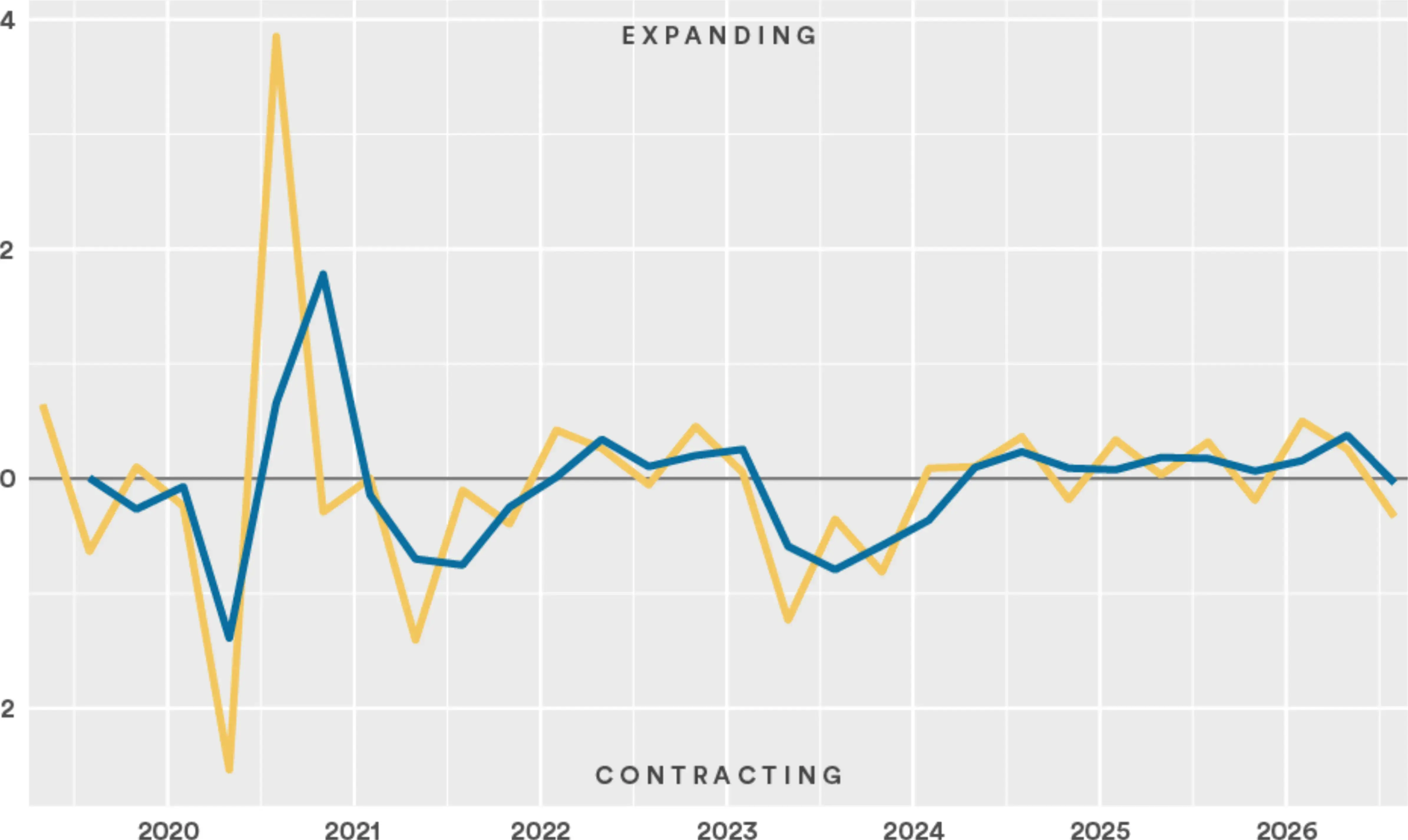
Homeowner interest in remodeling slowed sharply according to preliminary third quarter data, reversing two consecutive quarters of accelerating interest during the first half of 2026. According to the Point Homeowner Remodeling Index (PHRI), renovation interest slowed to neutral over the summer after the second quarter hit the highest it had been since early 2022. It is the lowest reading of the index since the start of 2024.
Nearly two-thirds (62.5%) of all home equity investment inquiries to Point during the first two months of the third quarter referenced a home remodel, down from 64.9% in the second quarter, but up from 60.7% in the third quarter of 2025. With mortgage rates remaining elevated, high construction commodity prices, and economic uncertainty, fewer homeowners are considering accessing home equity to finance home improvements than they were over the summer.
The PHRI is built from what homeowners are actually doing: requesting home equity financing specifically to pay for a renovation. That makes it a real-time signal of intent, not just sentiment, while still being a leading indicator for general contractor hiring and construction materials purchases in the next quarter. The index tracks quarterly changes in this demand, starting in 2019, based on homeowner inquiries to Point seeking home equity investment financing for the explicit purpose of home renovations.
Most home remodels require financing
While most every homeowner has a project they want to tackle in their home, the timing and inevitability of that project varies greatly. A survey conducted this spring found that 65 percent of homeowners claim that they plan to remodel their home in the next 12 to 18 months, with these additional findings:
- 62% of homeowners planning a remodel say they'll pay for it with something other than cash
- 65% expect their project to cost more than $10,000
- Nearly 1 in 5 (18.6%) expect to spend more than $50,000
And while it’s clear homeowners are interested in a remodel, based on a survey alone, it is harder to determine whether that intent turns into action. The PHRI, however, offers concrete data that this desire is closer to becoming a reality for many homeowners.
The U.S. housing market has remained stuck for much of the past year, with fewer homeowners selling, for-sale inventories rising, and home values declining in a few regional markets. Mortgage rates have climbed as the Federal Reserve Board steps away from the remnants of Pandemic-era emergency policies to support lending. That means more families are staying in their homes even as their needs shift, which should support remodel demand.
Remodel demand stalled in Q3 after two strong quarters
The PHRI stalled in the third quarter of 2026 according to preliminary data, reversing an accelerating pace from the first half of the year. It was the lowest quarterly reading in the index since the start of 2024.
The two-quarter moving average of the index is now neutral. Prior to the third quarter, and setting aside the pandemic-era spike in home renovation demand, the index had been toward the upper end of its historic range – around the 85th percentile in Q2.
The index reflects quarterly changes in seasonally-adjusted renovation demand relative to other uses for home equity investments. Index values above zero indicate that renovation demand is increasing, while index values below zero suggest contracting home renovation demand.
Home remodel interest is generally stable in the West, and accelerating in the East
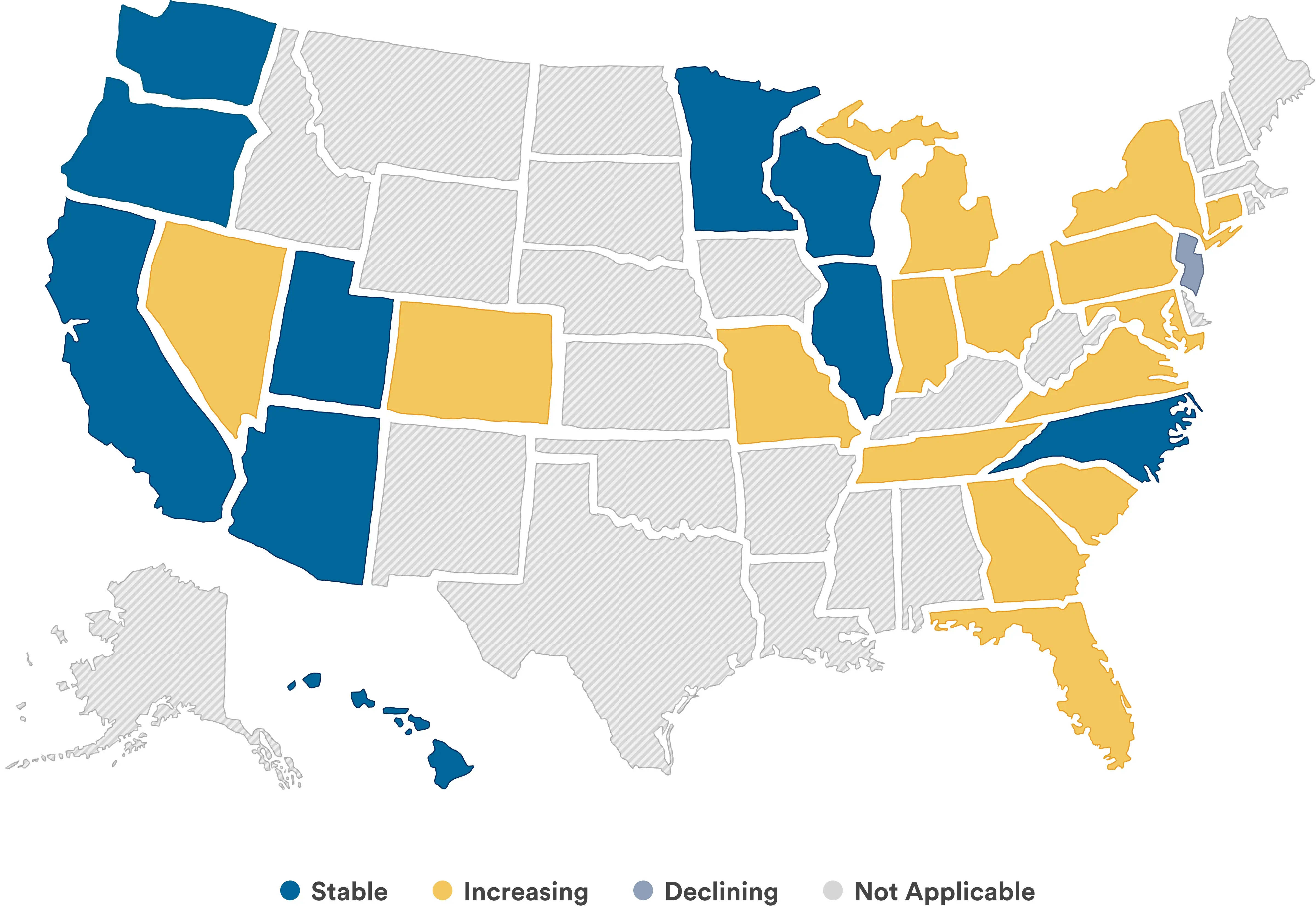
The PHRI's regional breakdown shows a clear geographic divide. Interest in home equity financing for remodels is generally stable across the West and accelerating across the South East. (State data are reported annually through the most recent month.)
Compared to 2025, the first three quarters of 2026 have seen the largest pickups in home remodel interest in Indiana, Tennessee, and Georgia. Only three states west of the Rocky Mountains have seen accelerating interest: Colorado, Nevada and Arizona. Interest has been stable elsewhere and did not decline relative to 2025 in any state for which data are available.
PHRI captures forward-looking home remodeling interest
There are no real-time official government data of remodeling activity, and very few private metrics that track homeowner remodeling plans. The Census Bureau discontinued its Survey of Residential Alterations and Repairs in 2007, and the closest thing that remains available is remodel data from the American Housing Survey (AHS), however these are only available biannually with a substantial reporting delay.
The PHRI helps fill this void. It's a quarterly, forward-looking measure built entirely from homeowner inquiries to Point for home equity financing, filtered to those citing renovation as the purpose. A homeowner doesn't need to complete the transaction for their interest to count. The index captures intent at the moment it forms, before a single dollar changes hands. For reference, home renovations are consistently among the largest uses of home equity investment funds cited by homeowner inquiries to Point, second only to debt repayment. Other common uses include investments and financial planning, additional property purchases, and funding new or existing small businesses.
The PHRI is distinguished from other available remodeling metrics, like the John Burns U.S. Remodel Index and the Harvard Joint Center for Housing Studies' Leading Indicator of Remodeling Activity, which tend to measure activity further down the pipeline, including renovations that are already underway or completed. The PHRI captures the moment before that: when a homeowner first starts looking for a way to pay.
The reality is that each of these metrics add distinct value to the public’s understanding of the state of home remodeling activity. While the LIRA and USRI estimate ongoing or completed projects, the PHRI captures forward-looking interest or intent that may or may not ultimately materialize.
Methodology
The PHRI is a macroeconomic metric designed to capture forward-looking homeowner remodel/renovation demand. It reflects the share of home equity investment inquiries to Point on a quarterly basis that reference a home renovation or remodel.
It is seasonally adjusted using X-13 ARIMA, indexed to 2019-Q1, and then first-differenced to reflect quarterly changes. Index values greater than zero reflect expanding home remodeling demand while index values less than zero reflect contracting home remodeling demand.
State level PHRI indexes reflect only the states where Point home equity investments are available.
There are no real-time official government measures of remodeling activity, and very few private metrics that track homeowner remodeling plans. The Census Bureau discontinued its Survey of Residential Alterations and Repairs in 2007, and remodel data from the American Housing Survey (AHS) are only available biannually with a substantial reporting delay.
We compared PHRI values to two other publicly-available estimates of residential remodeling activity: The Harvard Joint Center for Housing Studies’ Leading Indicator of Remodeling Activity (LIRA), and The John Burns U.S. Remodel Index (USRI). The LIRA is a statistical model based estimate, while the USRI is a survey-based instrument built upon a large sample of residential home builders and remodelers.
Correlating the three indexes over a small (2024-2025) quarterly public sample suggests that they each capture distinct moments in the home remodeling lifecycle, and independently add value to the public’s understanding of the state of home remodeling activity. While the LIRA and USRI estimate ongoing or completed projects, the PHRI captures forward-looking interest or intent that may or may not ultimately materialize.
Additional data comes from Point's 2026 Moving & Sentiment Study which surveyed 1,007 U.S. homeowners in the Spring of 2026. The survey was nationally distributed across major U.S. regions, with respondents spanning age groups and household income levels. All respondents confirmed owner-occupancy of their primary residence.
No income? No problem. Get a home equity solution that works for more people.
Prequalify in 60 seconds with no need for perfect credit.
Show me my offer
Frequently asked questions
.png)
Thank you for subscribing!
.webp)