


Key Takeaways
- A home equity loan lets you borrow a lump sum against the equity in your home and repay it over time with fixed payments.
- Home equity can be used to purchase a second home or as a down payment on another.
- Larger down payments can eliminate PMI and may qualify you for better rates.
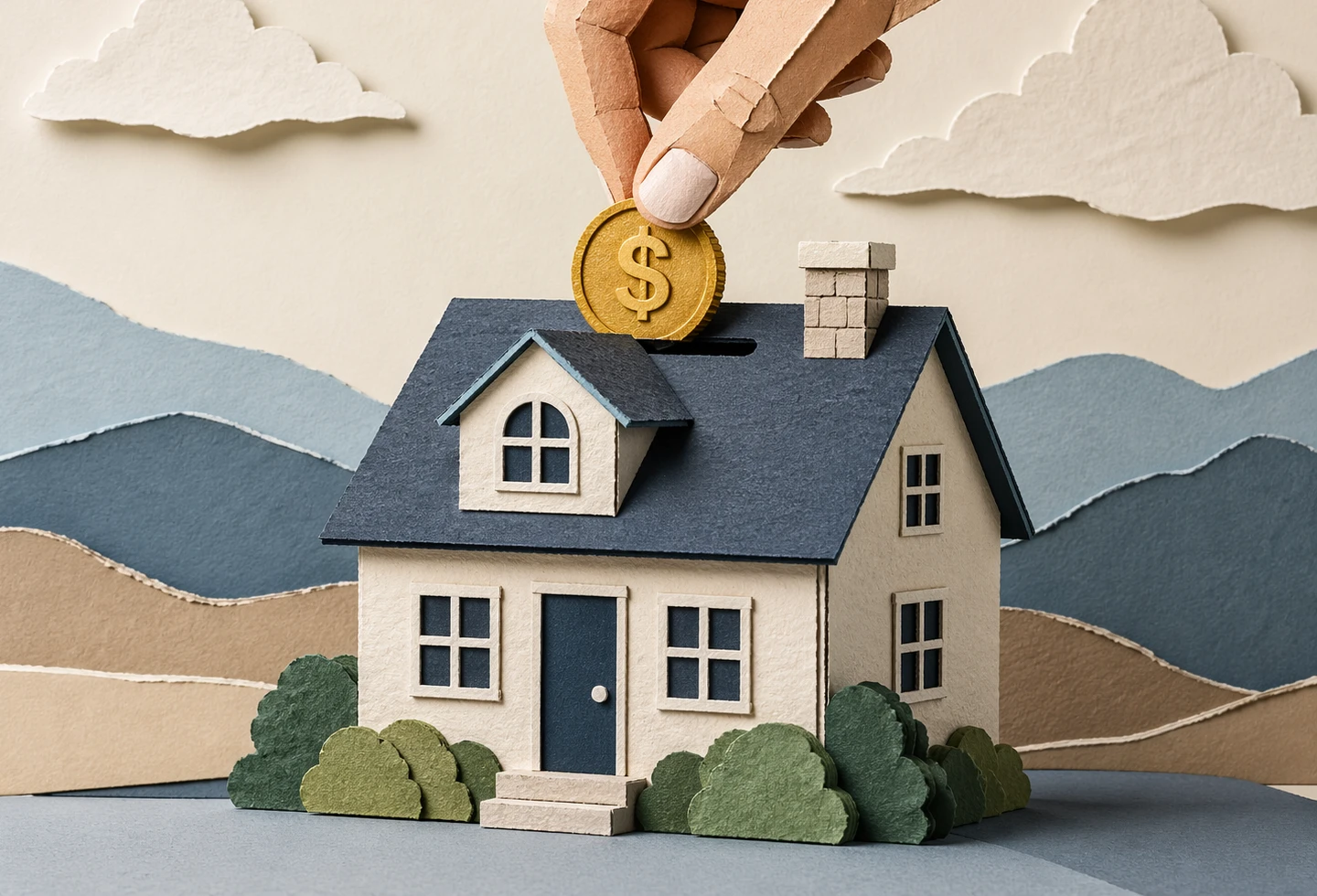
Owning a home is the American Dream for many. Some homeowners take this dream a step further by buying a second home. Whether the second home is for family vacations, future retirement, real estate investment, or your kids during college, coming up with the money to buy it can be challenging. Some homeowners use the equity in their home as a down payment on a mortgage or to buy the house outright. Here's how to use a home equity loan for a second home, including the pros and cons of this loan option, and alternatives to consider.
Can you use a home equity loan for a second home purchase?
Yes, you can get cash out of your house by using a home equity loan to buy a second home. A home equity loan is a term loan secured by the equity in your home. These loans typically have terms ranging from five to 30 years, depending on the lender, how much you borrow, and the monthly payment you can afford.
Home equity loans have a fixed interest rate and the same monthly payment throughout the repayment period. This consistency allows borrowers to budget for the monthly payment without worrying about rising interest rates. Home equity loans usually have a higher interest rate than a mortgage but a lower one than a personal loan.
Borrowers often use home equity loans to finance home improvements, consolidate high-interest credit cards, fund college tuition, or pay off medical bills. Pulling out cash from your home through a home equity loan for a second home purchase can help you qualify for a lower interest rate or eliminate the need for a mortgage at all.
Pros and cons of using a home equity loan to buy a second house
Alternative ways to finance a second home
While many homeowners choose a home equity loan for a second home, it isn't the best choice for every situation. Besides using home equity to purchase a home, there are many different types of home loans available. Before you apply for a home equity loan, compare its features with those of these alternative financing options.
HELOC
A home equity line of credit (HELOC) is a flexible line of credit with a variable interest rate. HELOCs are ideal when you're unsure of how much you need to spend to buy a home or make improvements once you own it. As you pay down the balance, it frees up available credit that you can use at a later date. This flexibility allows you to use the equity line of credit for other purposes, such as debt consolidation or college tuition, or to have access to cash for future improvements or repairs on your primary or secondary homes.
HELOCs require interest-only payments during the 10-year draw period. While interest payments do not reduce your balance, you can always pay extra on your home equity line to reduce how much you owe and future interest charges. At the end of the draw period, any outstanding balance converts to a fixed-rate term loan that is typically repaid over 20 years.
Home equity investment
Homeowners with less-than-perfect credit or who don't want to add another payment to their monthly bills should look at a home equity investment (HEI). An HEI provides a lump sum of cash up front, like a home equity loan, but it has no monthly payments. Instead, you settle the agreement by sharing a percentage of the home's future appreciation when you decide to buy back your equity.
To qualify for an HEI, you don't need to prove your income or have perfect credit. You can receive up to $600,000 through a home equity investment, depending on the value of your home and your mortgage balance. The HEI has a flexible 30-year term, but many homeowners settle the investment when they sell or refinance their homes.
Cash-out refinance
A cash-out refinance replaces your existing mortgage with a new one that has a higher balance. This option is ideal when you have a higher interest rate on your current mortgage and want just one loan payment each month. Cash-out refinances typically charge a slightly higher mortgage rate than if you refinanced your home without taking cash out of your home equity. It is important to understand that a cash-out refinance can be expensive due to closing costs and loan origination fees. However, some lenders allow borrowers to add these costs to their loan balance to reduce out-of-pocket expenses.
Refinancing your home may not be a good option if you have a low interest rate or are close to paying it off. Getting a new mortgage may result in a much higher rate or extending your repayment term before your original payoff date. For this reason, many homeowners choose a shorter repayment period, such as 10, 15, or 20 years, than the traditional 30-year mortgage.
Second home mortgage
When buying a second home, many borrowers immediately think of a second home mortgage. This is the most straightforward way to buy another home, but getting qualified can be a challenge. Most lenders require a down payment of at least 10% when buying a second home, and it increases to 25% if it will be an investment property. Like mortgages on your primary residence, second-home mortgages often incur closing costs and can take 30 days or longer to close. Mortgages on a vacation home or a rental property also charge higher interest rates than on your primary residence, which can increase your monthly payments.

Bottom line
Is a home equity loan for a second home a good idea? Home equity loans provide immediate access to cash from your primary residence. While rates tend to be higher than a mortgage on your home, many lenders waive closing costs and can fund the loan much quicker than a traditional mortgage. Getting a home equity loan also keeps your existing mortgage in place, so you don't lose your low interest rate or change the payoff date. Plus, the interest may be tax-deductible since you are buying, building, or remodeling a home.
No income? No problem. Get a home equity solution that works for more people.
Prequalify in 60 seconds with no need for perfect credit.
Show me my offer
Frequently asked questions
Can I use equity from my primary home to buy another property?
Yes, the equity in your home can be used as a down payment or to purchase a second home in full. A home equity loan often has faster approval and lower fees than refinancing your home or taking out a second mortgage.
How much equity can I tap for a second home purchase?
The amount of money you can access from your equity to buy a second home depends on your home's value, your mortgage balance, and the bank's maximum loan-to-value (LTV) ratio. Your income, credit score, and other debt obligations also factor into how much you can borrow.
Is it smart to use home equity to buy a second home?
Using your home equity to buy a second home is a smart choice when used wisely. An all-cash offer can be more appealing to sellers in a competitive market, and you can get access to the money more quickly than doing a cash-out refinance or getting a mortgage for a second home.
Can I use a home equity loan for a down payment vs. a full purchase?
The money from a home equity loan can be used to purchase a second home in full or as a down payment. When used as a down payment, you may have a harder time qualifying for the loan since you'll now have three mortgage payments (primary residence, home equity loan, and second home loan).

Thank you for subscribing!
.webp)